
The Complete Guide to Treating PTSD with Holistic Therapies
For those journeying through the aftermath of trauma, the path to healing can often feel convoluted and sometimes volatile – IYKYK.
Traditional treatments for PTSD, while effective for many, don’t always mesh well with every survivor's unique experience or personal philosophy. This is where the gentle, yet profound, world of integrative and holistic therapies can step in and help.
Let's explore how these therapies offer a compassionate, comprehensive approach to managing PTSD symptoms and giving those who suffer from PTSD a new lease on life.
Holistic PTSD Treatments
Holistic treatments for PTSD focus on healing the whole person: mind, body, and spirit. This is the heart of holistic therapy. Rather than treating trauma as something that only affects your thoughts or emotions, this approach recognizes that PTSD can impact every part of you.
Trauma can affect the way you think, feel, connect with others, relate to your body, and experience safety in the world. As holistic therapists, we support both the emotional and body-based effects of trauma, while also honoring the deeper parts of healing that may feel personal, spiritual, or meaningful to you.
Every practitioner approaches holistic PTSD treatment differently. At Wildflower Therapy Group, the goal is to support healing in a way that feels grounded, compassionate, and connected to your whole self.
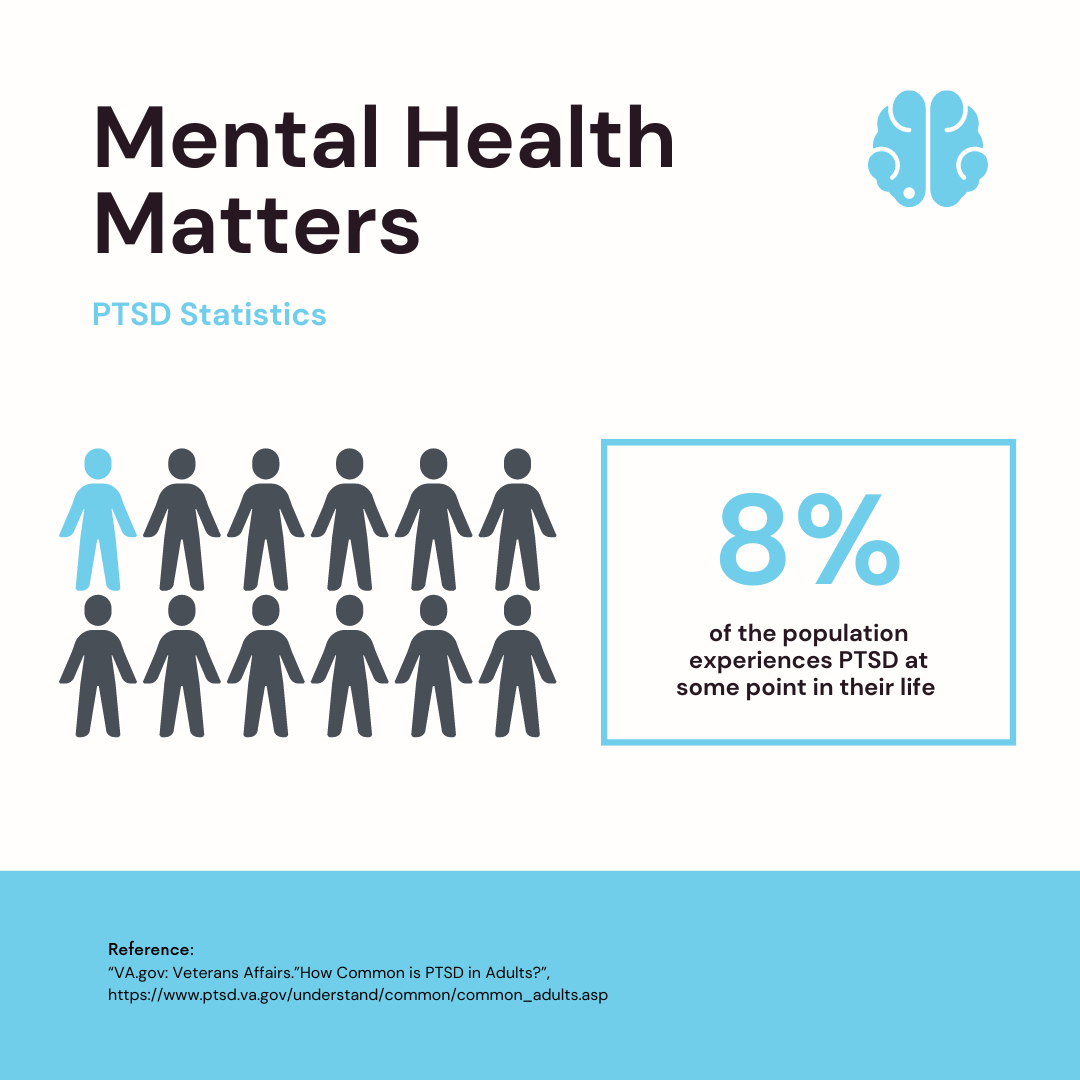
The National Center for PTSD and the Department of Veteran Affairs (VA) doesn’t have any specific policies or guidelines related to the use of Complementary and Integrative Health (CIH) practices for PTSD but 8 approved CIH practices are covered under a VA internal policy that requires these practices be made available if a care team deems it appropriate. They include:
Acupuncture
Biofeedback
Clinical Hypnosis
Guided Imagery
Massage Therapy
Meditation
Tai Chi/Qiong
Yoga
Does that mean these are the only integrative health practices that can be used to treat PTSD? No. Truthfully, they missed some very important holistic therapies that can help manage PTSD symptoms and help someone heal from PTSD.
Additional Integrative PTSD Treatment Options
Reiki Energy Healing
If you’ve never heard of Reiki before, it is a Japanese technique often used to reduce stress and support relaxation. Reiki can be offered in person or virtually through distance healing sessions.
Reiki is based on the belief that a practitioner can help channel healing energy to support balance in the body’s energy system. For people living with PTSD, Reiki may offer a gentle way to ease stress, reduce anxiety, and create a deeper sense of calm.
Virtual Reiki sessions can be especially supportive for those who feel more comfortable receiving care from home. By encouraging relaxation and a sense of peace, Reiki may help support people who experience flashbacks, nightmares, chronic tension, or emotional overwhelm.
This non-invasive approach can complement traditional therapy by supporting overall well-being. Reiki may also help clear energetic blockages that can make healing feel more difficult, while offering privacy, comfort, and a gentle path toward deeper healing.
EMDR Therapy
EMDR therapy helps the brain process traumatic memories so they feel less intense and overwhelming. Using a structured approach that may include guided eye movements, EMDR allows you to revisit distressing experiences in a safe, supported way.
Over time, this process can help reduce PTSD symptoms such as flashbacks, nightmares, anxiety, and emotional distress. It can also support a greater sense of control, peace, and emotional stability.
By addressing the root causes of trauma-related distress, EMDR therapy can help you heal from PTSD and begin to feel more connected, resilient, and grounded in your life.

Somatic Therapy
Somatic therapy supports PTSD healing by focusing on the connection between the mind and body. This approach recognizes that trauma is not only stored in thoughts and memories. It can also show up in the body as tension, anxiety, shutdown, or feeling disconnected from yourself.
Through practices like gentle breathing, movement, mindfulness, and body awareness, somatic therapy helps you notice what is happening in your body with more compassion. Over time, this can help you gently release stored stress and feel more connected to your body again.
For many people with PTSD, the body can feel unsafe or difficult to trust. Somatic therapy helps rebuild a sense of safety, choice, and empowerment from within. This can support healing from symptoms like hypervigilance, emotional numbness, and feeling stuck in survival mode.
Other Non-Traditional Holistic PTSD Treatments
Exploring non-traditional treatments, such as energy healing (Reiki), herbal medicine, or pet therapy, can also offer complementary support alongside more conventional therapies. Here are a few other options for holistic PTSD treatment:
Mindfulness-Based Stress Reduction (MBSR): This practice involves mindfulness meditation to help individuals become more aware of the present moment. By focusing on the here and now, those with PTSD can learn to break free from the grip of traumatic memories.
Art and Music Therapy: Expressive therapies offer a non-verbal outlet for emotions that might be too difficult to articulate. They provide a safe space to explore and express feelings, facilitating a process of self-discovery and emotional release.
Aromatherapy: Using essential oils for therapeutic benefits, aromatherapy can help reduce anxiety and stress, promote relaxation, and improve sleep quality—all crucial for those healing from trauma.
Integrative Approaches for PTSD
Integrative therapy for PTSD combines traditional treatments (like cognitive-behavioral therapy) with holistic approaches to provide a more comprehensive treatment plan. This dual approach allows for a more personalized treatment strategy, taking into account the individual's unique experiences, preferences, and needs.
How Integrative Therapy Can Help:
Tailored Treatment Plans: By combining various therapies, individuals have the flexibility to find what works best for their unique situation, whether it's a combination of medication and yoga or psychotherapy and acupuncture.
Addressing Root Causes: Integrative therapy looks beyond symptoms to explore underlying causes of PTSD, facilitating a deeper healing process.
Community and Connection: Many holistic practices can be done in group settings, offering a sense of community and reducing feelings of isolation.
Can You Treat PTSD On Your Own?
While professional guidance is invaluable in treating PTSD, there are holistic practices you can incorporate into your daily routine to support your healing journey:
Practicing Mindfulness: Daily mindfulness meditation can help manage anxiety and stress.
Engaging in Regular Exercise: Physical activity, especially outdoors, can boost mood and improve overall well-being.
Healthy Eating: A balanced diet can support mental health, reducing symptoms of depression and anxiety.
PTSD Recovery is a Marathon, Not a Race
For people healing from PTSD, holistic and integrative therapies can offer a supportive path forward. These approaches recognize that healing involves the whole person: mind, body, and spirit.
Rather than focusing on symptoms alone, holistic therapy looks at how trauma affects your emotions, body, relationships, sense of safety, and connection to yourself. This allows therapy to feel more personal and supportive.
Everyone’s healing process is different. Some people may connect with EMDR, while others may benefit from somatic therapy, mindfulness, Reiki, or a combination of approaches. The goal is to find what feels safe, meaningful, and supportive for you.
PTSD recovery is not one-size-fits-all. A personalized approach can help you feel seen, understood, and empowered as you move toward healing at your own pace.